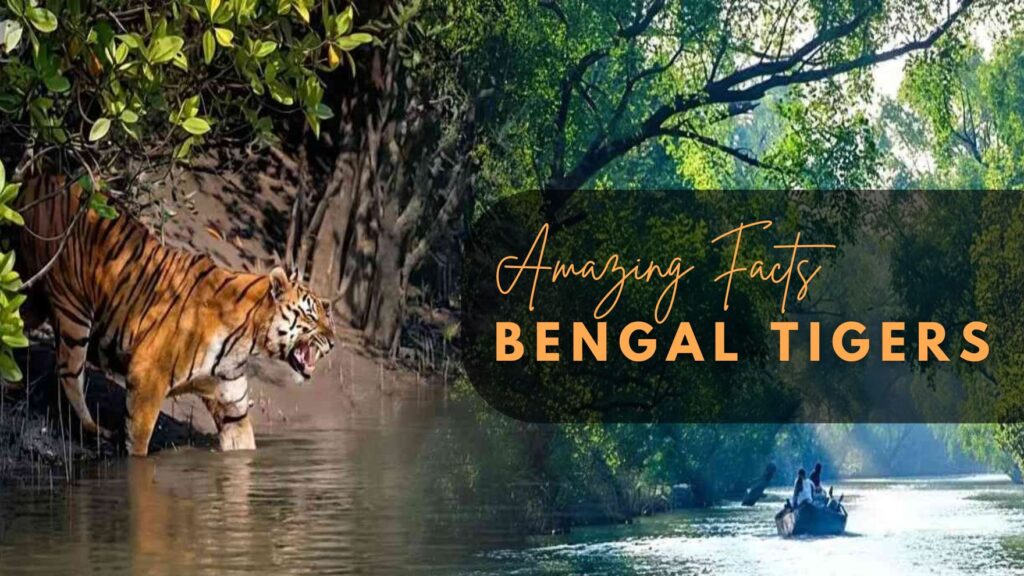


The Sundarban isn’t just a place to visit; it’s a living ecosystem where nature calls the shots. Everything in the Sundarban – from tides and seasons to animal movements and forest entry – follows nature’s rhythm. Many folks think October to March is the best time to go to Sundarban. While this is true, my own trips tell a different story.
From what I’ve seen, the best times to visit Sundarban are:
• September to October
• February to March
These two periods give you the best mix of wildlife sightings fewer tourists easier boat safari bookings, and fair tour prices.
Here, I’ll tell you why these times work best, break down each season, and share when you’re most likely to see animals, birds, and plants in Sundarban. This guide comes from real trips, not just what I’ve read.
In this post, I’ll break down why these times work so well, take a close look at each season, and talk about when you’re most likely to spot animals, birds, and plants in the Sundarban. This guide comes from real, hands-on experience, not just theory.
Sundarban’s Natural Cycle
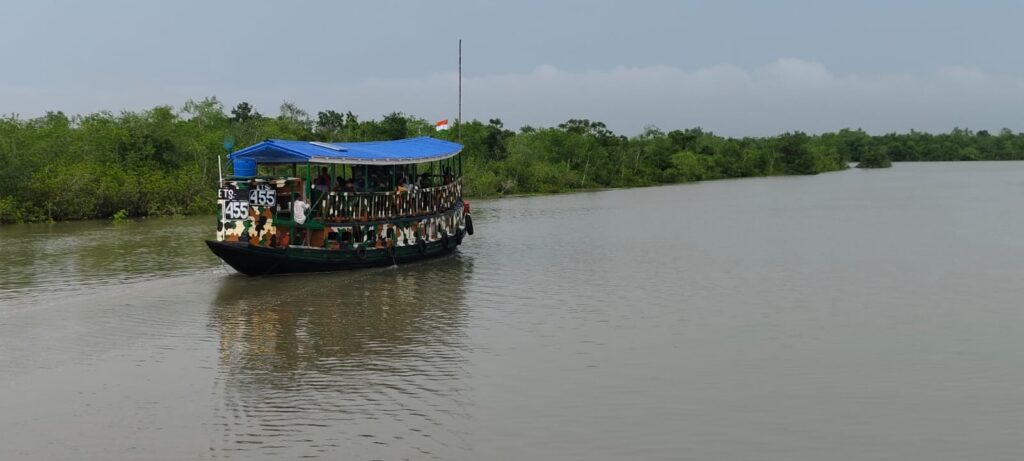
Sundarban is a tidal area where the water level keeps changing with the tidal flow of the river. (high tide, low tide)The pattern of animal movement depends on the season, temperature, rainfall, and breeding cycles.Boat safaris need to be approved by the forest department, and the number of permits given is limited.Your overall experience in Sundarban will depend on your choice of season and tour operator.
- September to October: One of the Best Times to Visit Sundarban
Why September to October is Ideal
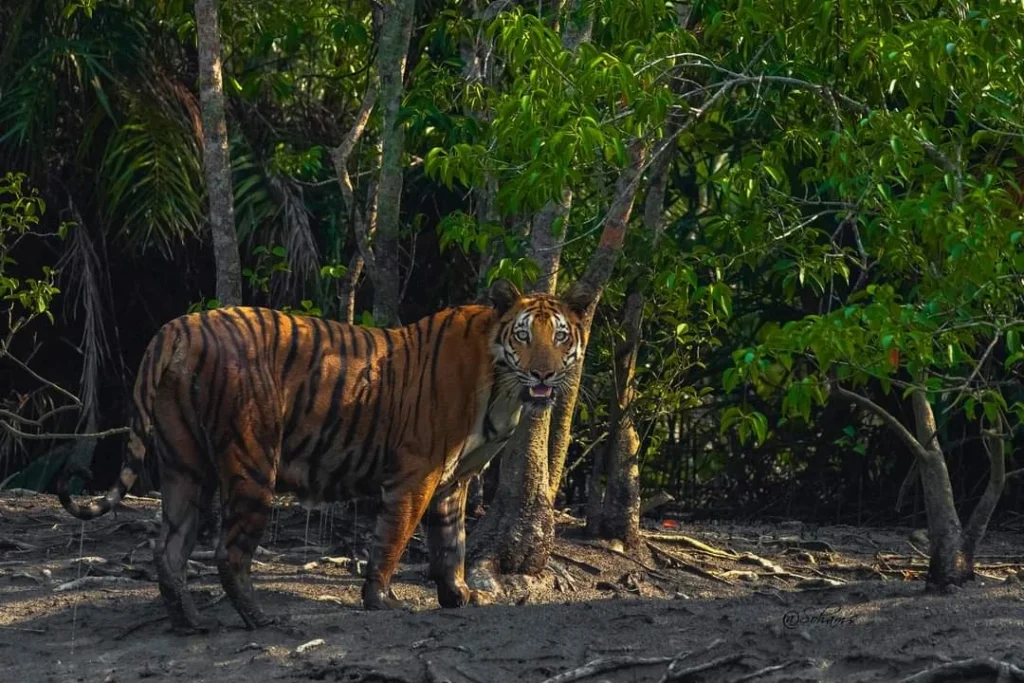
September to October is a period of change when the monsoon is receding and nature is coming back to life.
The main advantages are:
- Mere green fresh after the monsoon
- Less tourist crowd
- More availability of boat safari
- Increased animal activity
- Weather more agreeable than peak summer or winter
September to October: One of the Best Times to Visit Sundarban
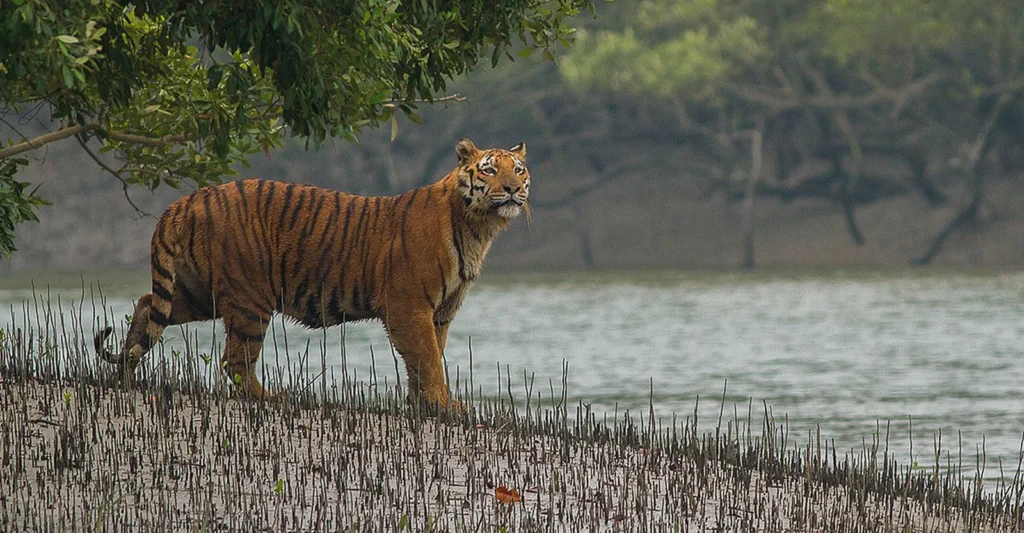
September to October is a transitional phase when the monsoon starts withdrawing and nature comes alive again.
Key advantages:
- Fresh greenery after the monsoon
- Lower tourist crowd
- Better boat safari availability
- Active wildlife movement
- Pleasant weather compared to peak summer or winter
Tourist Crowd Situation
During this period, tourist flow is still moderate. Most people wait for winter vacations, so you won’t face excessive crowding at jetties, watchtowers, or forest checkpoints.
Boat Safari Approval Advantage
In winter (November to February), many tour operators apply for forest permission at the same time. According to forest rules, only around 100 boats are allowed per day inside core forest zones.
In September–October:
- Fewer applications
- Faster approvals
- Less last-minute cancellation risk
This significantly improves your safari experience.
Wildlife Visibility
Animals start becoming more active as:
- Rain reduces
- Temperature becomes comfortable
- Water sources stabilize
You may spot:
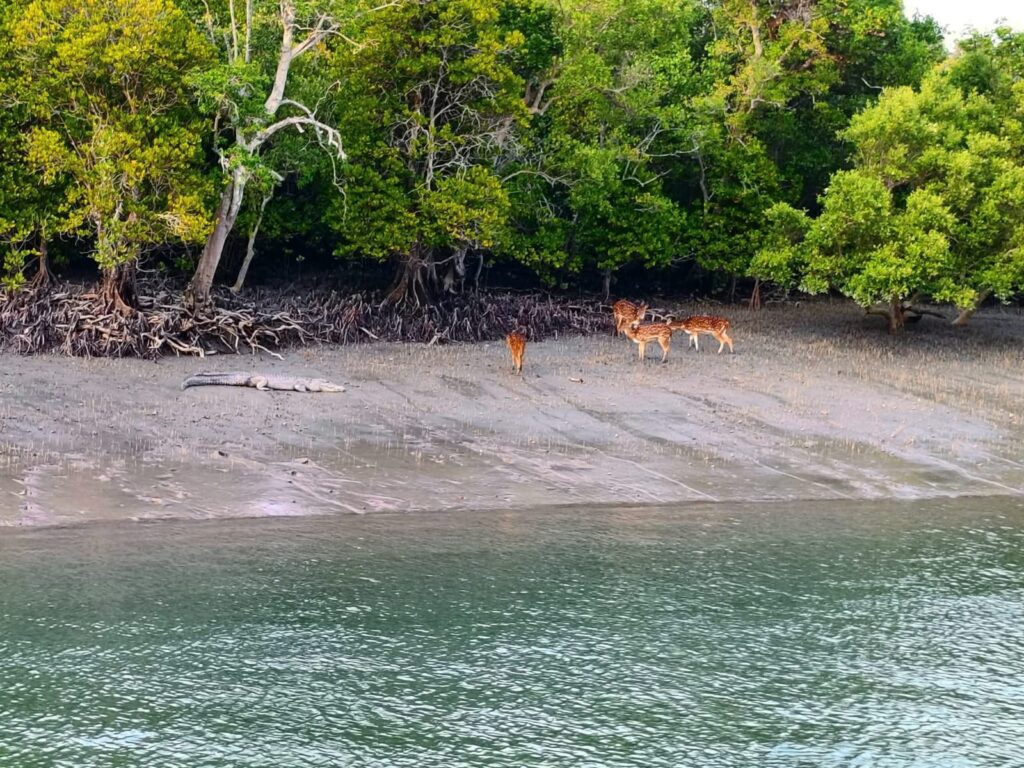
- Spotted deer near riverbanks
- Wild boar
- Monitor lizards
- Crocodiles resting during sunlight hours
February to March: Another Best Time to Visit Sundarban
Why February to March Works So Well
February to March marks the end of winter and the beginning of mild summer.
Benefits include:
- Comfortable weather
- Reduced tourist rush
- Reasonable tour cost
- Increased wildlife movement
Tourist Crowd Comparison
By late February:
- School vacations are mostly over
- Peak-season tourists decline
- Resorts and boats are less crowded
This makes the trip more peaceful and flexible.
Cost Advantage
Compared to November–January:
- Resort prices are lower
- Boat safari costs are more negotiable
- Package deals are better
Wildlife Activity
Animals begin coming closer to water sources due to rising temperatures. This increases your chance of sightings, especially during low tide safaris.
November to February: Winter Season – Popular but Not Perfect
Winter is often advertised as the best time to visit Sundarban, but it has both advantages and limitations.
Heavy Tourist Rush
This is peak season:
- Tourists from across India
- Group tours and school trips
- High congestion at forest entry points
Boat Safari Approval Challenges
Due to high demand:
- Many operators submit applications
- Only limited boats get approval
- Some tourists miss core forest safaris
Higher Costs
- Resort tariffs increase
- Boat safari charges rise
- Transport costs are higher
Wildlife Behavior in Winter
Most animals prefer staying inside dense forest during colder months. Sightings can be unpredictable, although crocodiles may be seen sunbathing if sunlight is strong.
April to July: Summer Season – For Adventure Lovers Only
Summer months are from April to July.
Can You Visit Sundarban in Summer?
Yes, but it is not very comfortable.
Challenges
- High temperature
- Extreme humidity
- Strong sunlight during boat safaris
You may feel tired and dehydrated easily.
Wildlife Movement
Due to heat:
- Animals come closer to water bodies
- Early morning and late afternoon safaris can be productive
However, physical discomfort often affects overall enjoyment.
July to Mid-September: Monsoon Season – Least Recommended
This is the rainy season in Sundarban.
Why Monsoon is Not Ideal
- Heavy rainfall
- River currents become strong
- Limited forest permissions
- Boat movement may be restricted
Wildlife Breeding Season
This is the mating and breeding season for many animals, so:
- Animals avoid open areas
- Forest movement is minimal
- Sightings are rare
Best Time to Spot Wildlife in Sundarban
Mammals (Royal Bengal Tiger, Deer, Wild Boar)
Best season:
- September to October
- February to March
Best conditions:
- Low tide
- Early morning or late afternoon
Animals usually move out of dense forest during low tide to drink water.
Reptiles (Crocodiles, Monitor Lizards, Snakes)
Best season:
- September to March
Best time of day:
- Late morning to early afternoon
Crocodiles are often seen basking in sunlight during mild winter or post-monsoon warmth.
Birds (Resident & Migratory)
Sundarban is a paradise for bird lovers.
Resident birds:
- Kingfishers
- Herons
- Egrets
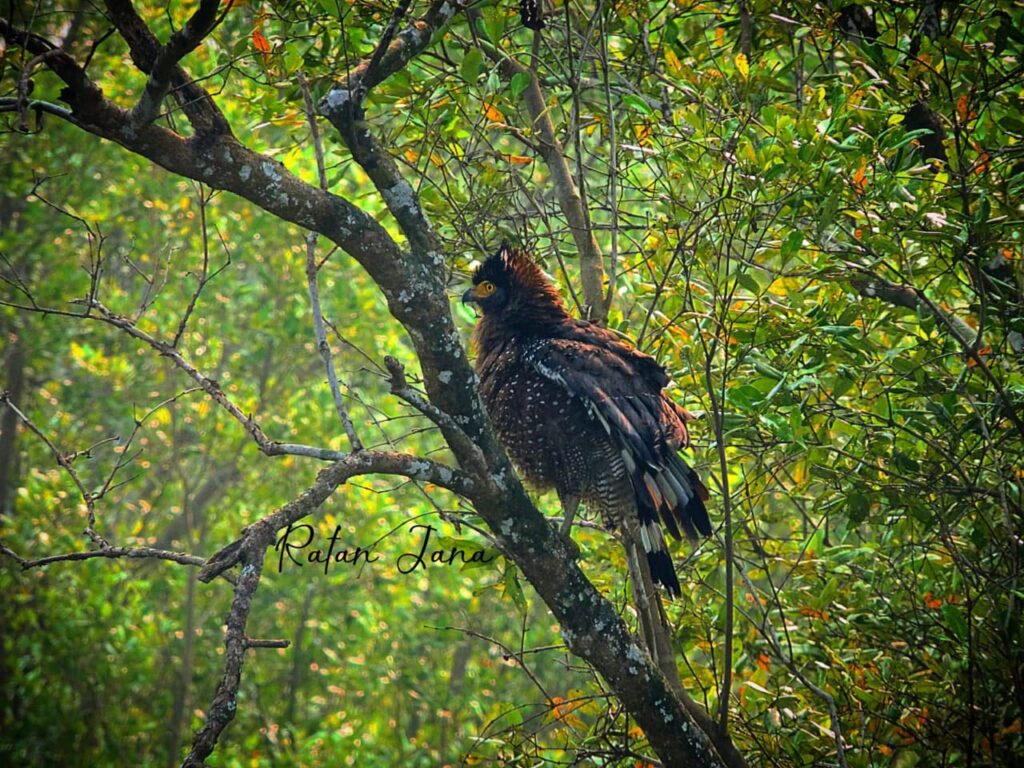
- Sea eagles
Migratory birds:
- Arrive mainly from November to February
Best birdwatching season:
- November to March
However, bird activity is also very good in September–October due to abundant food after monsoon.
Flora (Mangroves, Trees & Plants)
Sundarban’s plant life changes with seasons.
Best time to see lush greenery:
- September to October
Mangrove species like:
- Sundari
- Gewa
- Goran
are most vibrant after the monsoon.
Importance of Tides in Sundarban Trip Planning
Sundarban trips depend heavily on high tide and low tide cycles.
High Tide
- Animals move deep inside forests
- Sightings reduce
- Boat movement is easier
Low Tide
- Animals come near riverbanks
- Better chances of sightings
- Mudflats become visible
This is why hiring an experienced tour operator is crucial.
Why You Must Choose an Expert Sundarban Tour Operator
Sundarban is not a regular tourist destination. It requires:
- Deep local knowledge
- Understanding of tides
- Experience with forest permissions
- Safety management
Why Param Eco Trips is the Best Choice
According to my experience, Param Eco Trips is one of the most reliable and experienced Sundarban tour operators because:
- Own transportation system
- Own boats approved for forest safaris
- Tie-up resorts near forest zones
- Years of experience operating Sundarban tours
- Strong understanding of tides, seasons, and wildlife behavior
They don’t just sell packages; they plan trips scientifically, keeping nature in mind.
Final Advice Before Planning Your Sundarban Trip
- Always discuss your travel dates with your tour operator
- Ask about tide conditions
- Confirm boat safari approval in advance
- Choose September–October or February–March for best balance
- Keep expectations realistic – Sundarban is a natural forest, not a zoo
Conclusion: So, When is the Best Time to Visit Sundarban?
While many believe October to March is ideal, practical experience suggests:
👉 September to October and February to March are the best times to visit Sundarban
These periods offer:
- Better wildlife visibility
- Fewer crowds
- Easier safari approvals
- Balanced costs
- Comfortable weather
With the right timing and an experienced operator like Param Eco Trips, your Sundarban journey can become a truly unforgettable natural experience.